Read more about the article Crete – Greece
Crete - Greece

Crete – Greece

Share it with the world

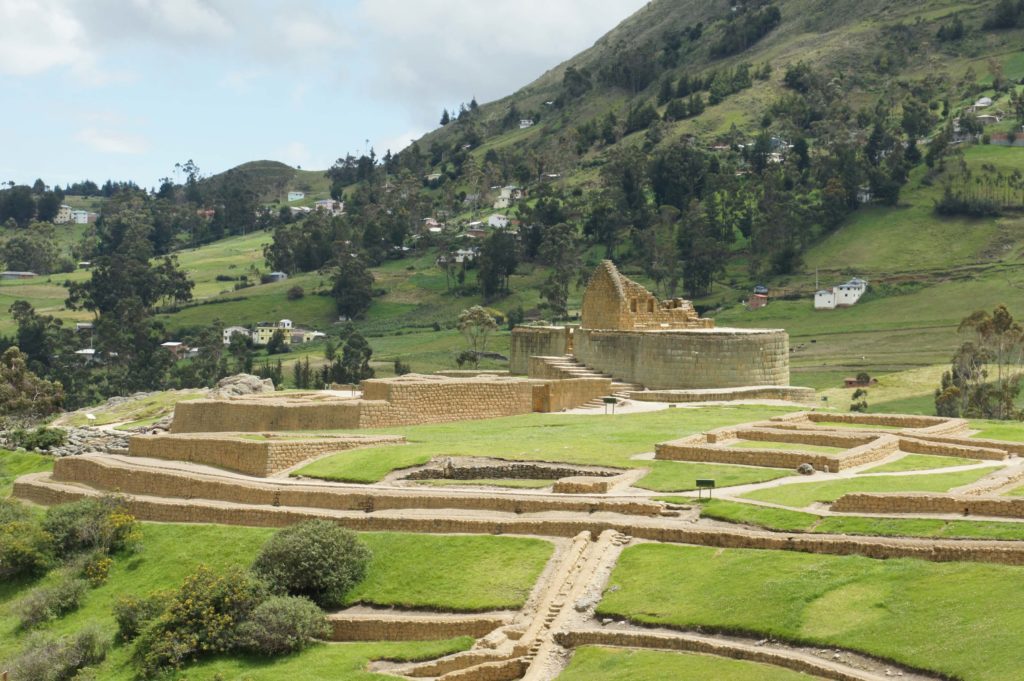
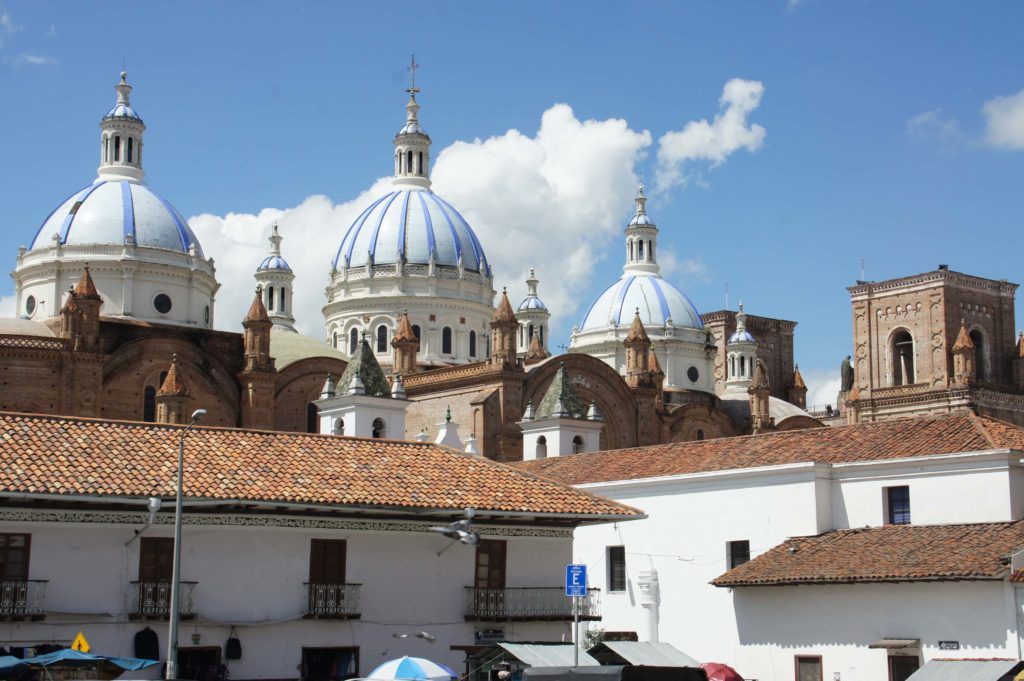
Europe’s first advanced civilisation: The Minoan

Still with jet-lag after our trip to Ecuador, just 4 days after our return and here we go again on a plane, this time bound for another Greek island never been before: Crete. So long time wishing to come here but never found the perfect deal nor good flying times until now. And what’s best? It was a bank holiday on top, hence 3 full days to enjoy this beautiful island with countless to see and do. I’m still quite surprise about the great flight deal we got, being the way into Heraklion with British Airways. I strongly recommend you to keep checking from time to time to their offers, and if you are an executive club member and hold a good bunch of Avios, do not hesitate in using them to off-set the total cost of your flight. By doing this you will still ear Avios and tier points, and can reduce dramatically the cost as was in our case this time, much cheaper than a low-cost carrier.

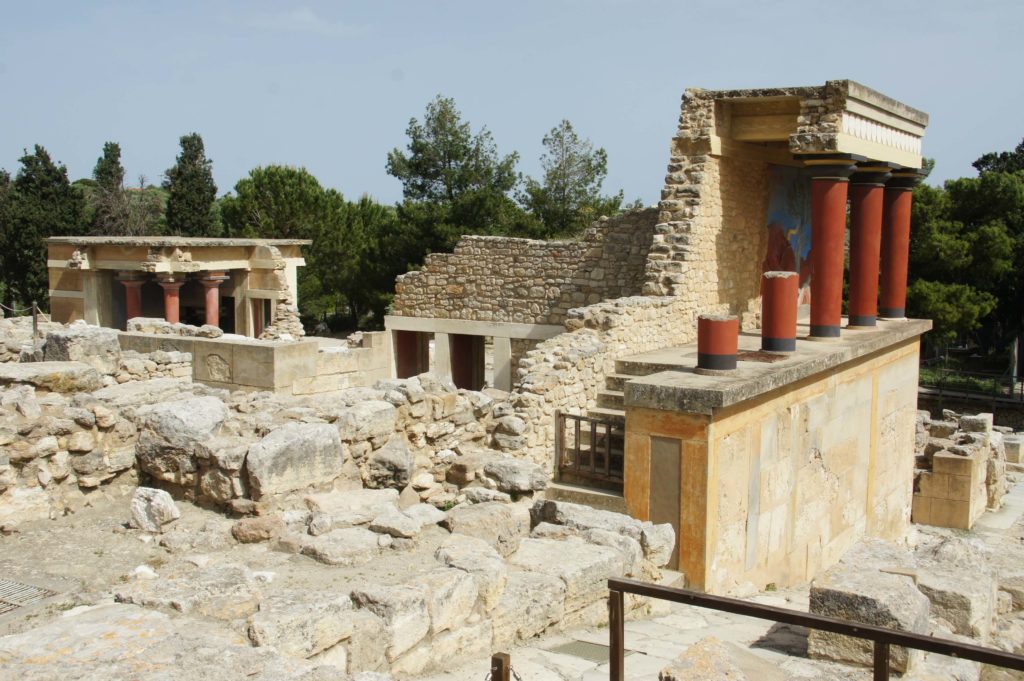
It’s incredible how such a small piece of land, and island, to be home to the first advanced civilization of Europe, the Minoan, who lasted from 2700 to 1420 BC when they were taken over the Mycenaean civilization from mainland Greece. It’s with the Mycenaean that the oldest samples of writing in Greek language are found in the Knossos Palace. Then came the Archaic and Classical Period from the 6th century before Christ until the Roman rule. Thereafter is a constant period of war and continuous civilizations and rules taking over, from the double Byzantine periods, where in between Crete succumbed to the Arab rule form a century and a half, to the Venetians, the Ottoman, a state for few years before becoming a Greek province.

With such a long history and past, wherever you are in the island is full or archaeological remains, sights and historical sites. A weekend, or a long weekend as we had with 3 days in the island, was too short. Rarely we can say something like this especially when on an island, but this is the truth. We had to prioritise and crate a tour according to our time, scrapping on this occasion the whole east of the island. (more…)
Share it with the world

Continue ReadingCrete – Greece
Read more about the article Ingapirca – Ecuador
Ingapirca - Ecuador

Ingapirca – Ecuador

Share it with the world

The largest Inca ruins in Ecuador

Moving onto our last place we visited in our tour in Ecuador as a day trip from our base in Cuenca; Ingapirca. The largest and best preserved archaeological remains of a city from the Inca civilization in Ecuador. This is for us the very first time experiencing a good example of the Inca civilization. Not the fascinating sites across Peru but good to have an idea on what we should expect hopefully in the future when we visit Peru and its amazing sites. As for Maya civilization we are really experienced since we’ve been north to south across the former empire in some of the best known cities and former capitals. Now it’s the time to step in another chapter of the history of pre-Columbian America.

The city, once known as Hatun Cañar by the Cañari indigenous people who inhabited it for over 1000 years before the Incas came from the south, was one of the largest, most developed and powerful. With the Inca invasion, their tendency was not conquering and taking over a civilization to suppress it, but instead to keep it parallel and live together peacefully. Sharing the knowledge, achievements and architecture between both. They did only change the name for Ingapirca, as we know it today.

Don’t expect however, to find a so complete nor large ruins. Only a few constructions raise some centimeters above ground, with the Temple of the Sun being the masterpiece standing at the higher part in the city having survived in great shape. This is the most famous construction in the site, built in the Inca way without mortar, as most of the structures in the complex. The stones were carefully chiselled and places to fit together perfectly without even a millimeter separation in between. This is one of their greatest architectural achievements. To compare against, pay attention at the Cañari constructions, where bigger stones were put together with mortar. (more…)

Share it with the world

Continue ReadingIngapirca – Ecuador
Read more about the article Cuenca – Ecuador
Cuenca - Ecuador

Cuenca – Ecuador

Share it with the world

The Athens of Ecuador

Cuenca, the most European city in Ecuador is like being transported 400 years back, to the colonial era, or feel as if you were in a city in Spain. Countless historic buildings perfectly preserved since their construction, some of the finest architecture in the country thankfully safeguarded and not destroyed by earthquakes and volcanoes, the general unfortunate fate of most of the original Spanish colonial cities along the “ring of fire”, from Mexico to Chile. With such a huge heritage and history, equal to Quito’s patrimony, it is no surprise this is another of the highlights listed by UNESCO a World Heritage Site; and if that would not be enough, you can deduct it form its nickname: “the Athens of Ecuador”.

This was one of the highlights in our trip through Ecuador, a place no one should ever miss when coming to the country. One of the most beloved gems and most visited city, middle in the highlands of Ecuador at a height of 2500 meters above sea level. A great gateway not only for the history of the city but a great base for visiting a right region where you are never far from the Andes, mountains and volcanoes, pristine nature, natural parks, small traditional villages and some of the finest Inca archaeological remains. But beware don’t be fooled on something as important and as simple as the weather. Fair enough you are within the tropics where people usually believe in great weather, but can lead to confusion. At these higher latitudes and by the Andes all changes. It is only 40 minutes’ flight from Guayaquil where it rarely drops below 30 degrees centigrade, yet here the norm will rarely be over the 20’s mark, however on one of our days here it was raining horrible and was quite cold, and abruptly the following day was scorching hot and sunny all day through. Our last day was a mix of the past two. You never know what’s from one day to another.

Cuenca’s origin, although at over 8000 years of human activity, it can be realistically traced as a settlement to the Cañari people who founded it in around 500 AD under the name of Guapondeleg. The Cañari were defeated by the Incas who built in its place the grand city of Pumapungo, (the door of the Puma), actual site of Cuenca. Its magnificence was said to have rivaled that of the Inca capital of Cusco, and was known as the second capital of the empire. However, just half a century later with the arrival of the Spanish conquerors, they found the city abandoned and lying in ruins. All it was known were the stories told by the Indians about a rich city of wonders, golden palaces and temples, and therefore, considered a possible candidate for the mythical city of gold which the Spanish called El Dorado.

(more…)

Share it with the world

Continue ReadingCuenca – Ecuador
Read more about the article Guayaquil – Ecuador
Guayaquil - Ecuador

Guayaquil – Ecuador

Share it with the world

The Pearl of the Pacific

The largest city of Ecuador cannot be missed on anyone’s trip through this beautiful country. For us, our second base after its impressive capital, Quito; although not for a long visit but for a rather short one. Unfortunately in such trips where we travel that far, we want to include as much as possible and always end up with a huge program to fit in just a few days, still, good enough not to panic nor rushing all around, and after all, very thankful for all the places we’ve managed to put a step on. At less than 1 hour flight from Quito what could dramatically change? The weather and the height. From around 20 degrees to over 30, very humid and tropical, and no height compared to almost 3000 m above sea level where we came from. After all, the truth is that a full day in the city is generally what you need for visiting everything.

Here in Guayaquil all the tourist attractions and sights can be seen in just a day therefore no need to over estimate the time unless of course, you are using it as your base to reach the Pacific. Guayaquil is your perfect gateway to the beaches at less than 2 hours, from Playas at the south to Salinas to the north. Combining the big city with some beach and pool time is a good way to break your trip in Ecuador and enjoy laid back rest. It’s not only the coast, but also your gateway to the Galapagos Islands. All the flights in Ecuador will have a stop over via Guayaquil before continuing to the Galapagos.

As opposed to Quito, Guayaquil is a very modern city with totally different kind of sights. Here do not expect to find such a vast colonial heritage one after another, huge monasteries and richly decorated Baroque churches. Instead, a small historic district in a hill at the north by the river Guayas and surrounded by some elegant late 19th early 20th century buildings along avenues and some towers slowly popping around; with a beautifully landscaped riverside promenade, the Malecon 2000; a project of urban regeneration that has won many awards and prices and given back to the city a prestigious space regarded until the 1980’s a run-down area and one of the unsafest places to be.

(more…)

Share it with the world

Continue ReadingGuayaquil – Ecuador
Read more about the article Ipiales – Colombia
Ipiales - Colombia

Ipiales – Colombia

Share it with the world

Ciudad de las nubes verdes: the city of the green clouds

Our first experience and welcome in Colombia, as exciting as it sounds to visit another country, even though this is just for a tiny place (for now). Nevertheless, after coming here, whenever we plan a proper trip in Colombia it will save us lots of time and days in not having to come all this way far south in the country to get here and instead spare it for the so many beautiful cities and villages elsewhere through the country. From our base in Quito to Ipiales is 250 kilometres, which might sound not too much but believe me, it will be a lengthily journey, through 3 mountain passes and then both border immigration controls.

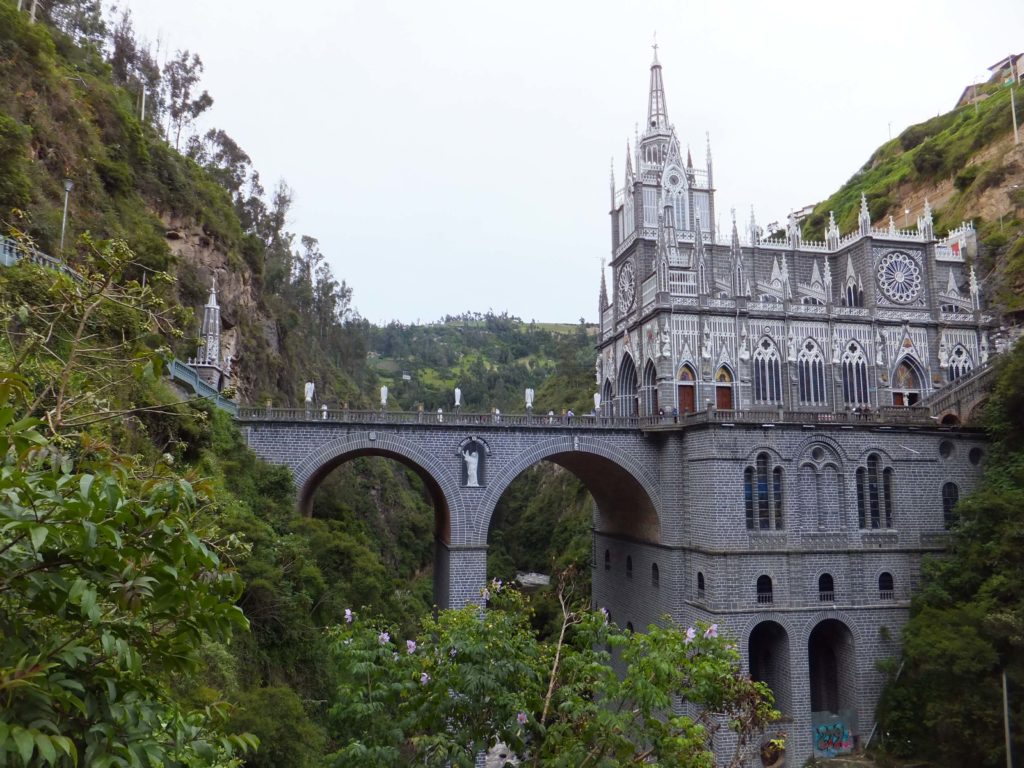
Getting this far south in Colombia, to the very last village before Ecuador (or first village after Ecuador depending how you look at it) might sound odd when you think on first instance, keeping you wondering why. However, once you do some research and get to see the major landmark that is the Santuario de las Lajas, you will immediately realise and recall it. It’s highly likely you’ve seen it in pictures, movies, travel brochures or somewhere, especially if you are a heavy traveller as we are. If you are on a trip through Colombia, then it is almost guaranteed you have this place in your tour, although will only make sense if you are continuing farther south into Ecuador, otherwise yes, it is really in the middle of nowhere. In the other hand, if you are touring Ecuador, it can be more realistic to do such a tour in a day trip from Quito; as it was in our experience.

Bear in mind that reaching Ipiales and visiting Las Lajas will take you an entire day, most of it will be sitting on a bus. In the plus side, the journey along the Panamericana is part of the excitement. Passing through countless volcanoes, mountain passes and lush forests; if you are lucky enough to have a clear day it is simply impressive to see. The beautiful and quiet countryside at the foothills of the Andes, with Ipiales itself at a height above sea level of 2900 meters, one of the highest cities in the world. (more…)

Share it with the world

Continue ReadingIpiales – Colombia
Read more about the article Quito – Ecuador
Quito - Ecuador

Quito – Ecuador

Share it with the world

Ciudad de los Cielos: City of the Heavens

Our first big trip for 2017, back in Latin America onto a new country not been before, already number 84 in the list: Ecuador. A country long been in the wish list however always so expensive to go, and hard to fit it during the best months to visit. This time all matched perfectly, with the right season to get there (more or less, it was end of the rainy season) and a good flight deal with Iberia. And as later I will farther expand on each of the travel guides for the places we visited, the internal flights were also surprisingly not expensive, something very rare if comparing any neighbouring country where internal flights are horribly expensive as for example our past experience with Brazil, Panama, Costa Rica or Guatemala.

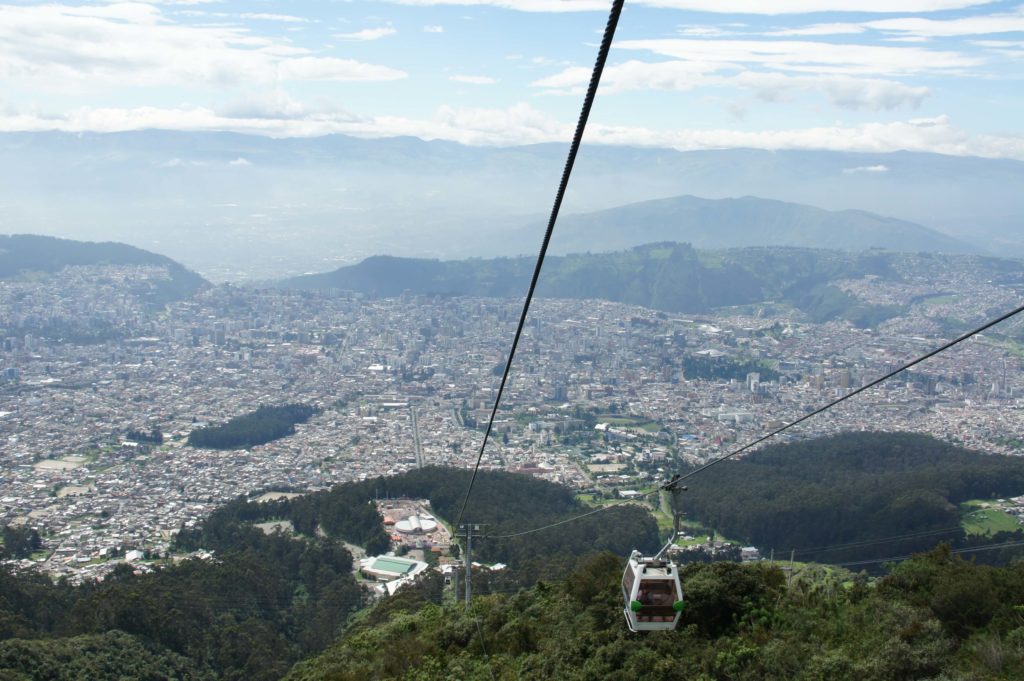
We begin in the beautiful capital, Quito. This is the highest capital city in the world at almost 3000 meters above sea level, and of course, also the nearest capital to the Equator itself. And I find it hard how to start with this guide because there is simply too much I wish to list and I don’t want to be too long but straight to the point. However, if there is at least a single word to describe it, I must be using “impressive”. Quito, together with Krakow, Galapagos Islands, Wieliczka Salt Mines or Aachen Cathedral to name a few, were the first 12 World Cultural Heritage Sites declared by UNESCO in 1978. Being in such list is always a privilege, and being on the very first one is a statement; but no one can doubt, nor question it. Quito is the most complete, best preserved and the least altered historic colonial city in The Americas. This is a place where time stood still in the 16th century, and no matter how many earthquakes and volcanic eruptions in what is one of the most active places on earth, the city has been lucky enough to escape and survive almost intact to our days.

Originally settled by the Quitu Tribe and conquered by the Caras Tribe in 980 AD who then founded the Kingdom of Quito, it enjoyed some centuries of prosperity until 1462 when the Incas integrated the region into the Inca Empire, but not for long; just 72 years after, in 1534, they would be conquered by the Spanish who developed a new city from scratch in a matter of few years, becoming one of the most prosperous on the back then Spanish Empire for centuries. (more…)

Share it with the world

Continue ReadingQuito – Ecuador
Read more about the article Sofia and Rila – Bulgaria
Sofia - Bulgaria

Sofia and Rila – Bulgaria

Share it with the world

Roman Ulpia Serdica, Greek Serdonpolis, Ottoman Sofya

Almost 6 years have passed since our first and only time in Sofia, and Bulgaria itself. A long time once again for a rather large and nice capital city, with a lot of changes for the better during this time in between. And of course, a great chance to revamp this once obsolete and not so detailed and descriptive guide for a proper up to date version. It’s interesting to see how little I was writing on the first guides when I started my travel blog, but I’m glad that I can also slowly rewrite them as we keep returning to many of these cities.

While Sofia could have been a very rich city in architecture, extremely elegant as Paris or Vienna, it suffered heavy destruction during WWII, and in 1977 further damages in the Vrancea earthquake (which epicentre was in Romania). Unfortunately, not everything was rebuilt as in other cities that suffered similar fates, however, many of these decaying buildings were not demolished, and as such becoming one of the key priorities in recent years restoring them, creating trendy areas and a good solid attractive for the tourism. Better and newer infrastructure, and definitely a great restoration and rebuilding program in the older parts of the city is the huge difference we can see now since the last time we’ve been.

The city itself is worth at least a 2 day visit. Planning any longer here might disappoint you as you will end up without anything further to do and see, and for heavy travellers used to city trips, a day is well enough. A weekend trip is the best decision; furthermore since the old town is very compact and not big, every sight is within walking distance to each other making of it an easy and not long walk without the need for taking any public transportation. There are just some sights on the outskirts as is the UNESCO World Heritage Site listed Boyana Church, where you will need to get onto a tram or a bus, but other than this the rest is great to enjoy on foot.

(more…)

Share it with the world

Continue ReadingSofia and Rila – Bulgaria
Read more about the article Chisinau and Tipova – Moldova
Chisinau - Moldova

Chisinau and Tipova – Moldova

Share it with the world

Archaic Romanian chișla (source of water) and nouă (new)

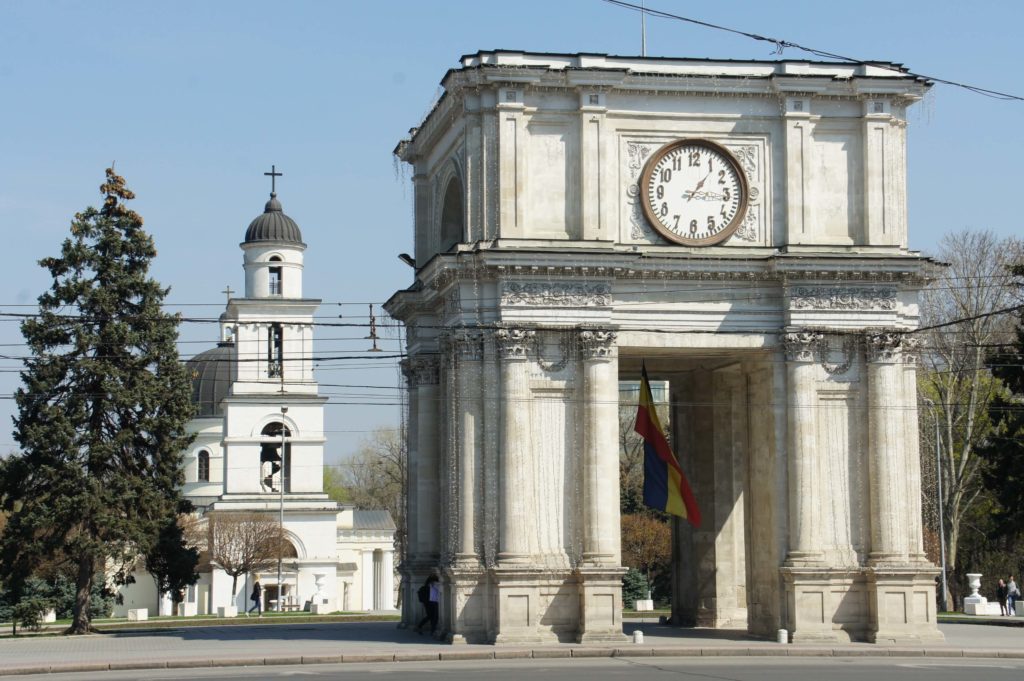
Another new country in my list! 83 so far in total, and 46th out of 50 that form the European continent at the time of writing this guide. It’s always very exciting coming to places never been before especially if these are a different country, another culture to explore and looking forward to something new. Europe is getting too small and believe it or not, we are starting to run out of destinations. For sure on the main destinations there is pretty much nothing left not visited, but thankfully there are still way many other places… although again, with so many hundreds been, this is slowly becoming a challenge to find a flight or plan a reasonable route to reach these places.

Chisinau, the capital of Moldova is definitely by all means not the usual holiday destination to anyone. The country is one of these “forgotten” for the average traveller, one of the less visited with few venturing coming to discover. To us, however, it was a must in our list for quite some time now, yet not easy to reach until now with more flights available and more flexibility in the times. In any case, talking about flying times… we took off from London minutes before midnight to land in Chisinau right after 05.00am local time the following day, but well, not everything is going to be as easy as a cup of tea.

The country, to the surprise of anyone, is full with beautiful villages, medieval castles, monasteries and amazing nature. It might be small but it offers everything to whoever comes to visit, and won’t disappoint. But before I continue in here, let me tell you that this trip was not just for the sake of reaching its capital city and nothing else, but to also include 2 of the country’s highlights: the world’s largest wine cellar, Mileștii Mici; and the largest cave monastery in Eastern Europe, Tipova. Now with all this in mind, your trip will definitely be truly worth it!. (more…)

Share it with the world

Continue ReadingChisinau and Tipova – Moldova
Translate »