Read more about the article Turin – Italy
Turin - Italy

Turin – Italy

Share it with the world

Automobile Capital of Italy

Once again on a trip returning to a city long time not been. It was back in July 2012, and this was in fact the very first guide I created in my travel blog. Now 5 years after and almost 400 guides later, it was long due for a full remake and edit in order to bring it to the usual standard clear and neat design, with way much more information and description. There are still around 100 guides to eventually keep updating as I return to the cities or merely to revamp them every now and then, but that’s a great achievement I am very proud of, thinking on the countless days and nights I’ve spent in order to maintain such a vast content, backdated to 2009 when I really started with this travel-bug that has seen myself to already 85 countries as of today, hundreds of cities and constantly on the go pretty much every weekend of the year.

Turin, the capital city of the Piedmont region was once the first capital city of Italy in 1861 and home to the House of Savoy, Italy’s royal family. Today it remains as one of the major cultural and economic poles in the country and a very important tourist destination legacy of its superb architecture and elegance combining all of the styles: Renaissance, Baroque, Rococo, neo-classical, and art-nouveau among the Roman foundation of the city with gates, walls and other archaeological remains. Such a vast collection of constructions, especially the grand palaces scattered through the city and nearby villages was the key point for the UNESCO to list it a World Heritage Site under the name: “Residences of the Royal House of Savoy.”

From the 16th century, when Turin twas made the capital of the Duchy of Savoy, the city was one of the major projects in history with the enlargement of the otherwise small city into a big and elegant, with the construction of Piazza San Carlo and Via Roma the major urban achievements coupled with the strengthening of the city’s walls. A second expansion wave came in the 17th century with farther enlargement of the walls, the construction of the Royal Palace, and the famous Via Po linking the riverside to Piazza Castello. This was the last time the city saw such a revival, and for what it owes most of its nowadays enormous cultural heritage. Only during the 1930’s the latest additions was built, the main thoroughfare Via Roma in the Italian Rationalist style.
(more…)

Share it with the world

Continue ReadingTurin – Italy
Read more about the article Glasgow – United Kingdom
Glasgow - United Kingdom

Glasgow – United Kingdom

Share it with the world

Second City of the British Empire

A very long pending city for returning. With this, it’s the third time and once more I have to say how much I loved it. How beautiful and elegant, and so much to see and do that a weekend comes even short. It was also about time for a proper revisit and therefore, creating this well deserved guide for the city in the blog. Still, don’t blame me for not having created the London guide yet! (face-palm)… Keep checking in the near future as I promise you it is due to come and will be fully packed as are the guides for Madrid, Barcelona, Paris, Naples or Brussels just to name a few of the ones I keep returning very frequently.

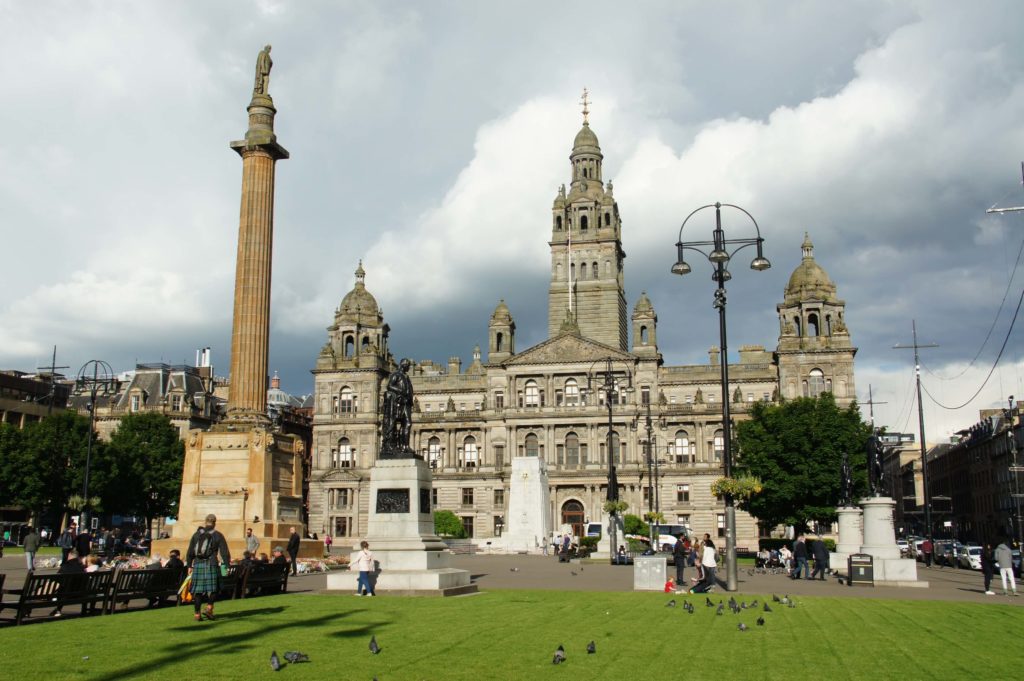
Now onto what really matter here for now: Glasgow. To start understanding a little bit of the city and its incredible importance back in its heydays, we have to return few centuries ago, and not to the Roman times because over here, all that was built back then was the Antonine Wall which together with the Hadrian’s Wall farther south, were the northernmost frontiers of the Roman Empire, keeping it separate from the Celtic and Pictish Caledonia. It’s from the 17th century where the city started benefiting from the international trade, manufacturing and invention. At the turn of the 18th century the city was described to be only second to London for its beauty, cleanliness and planning; a city at the time of only 12000 inhabitants. Soon after with the Scottish Enlightenment and Industrial Revolution the city’s expansion was unparalleled. Take a map, and see the city’s urban planning, then you have the answer right away: the perfect city with the perfect orthogonal urbanism filled with the finest architecture of the era. Georgian, Victorian and then art-nouveu. To this last style, I will soon return to explain.

The 18th century also saw Glasgow’s port, created on the nearby Firth of Clyde expanded to become what is still today the largest and most important in the United Kingdom. Back in the time it was a major hub for the transatlantic routes and international trade especially tobacco, sugar, cotton and goods. Over half of the British tobacco was traded in Glasgow alone.

(more…)
Share it with the world

Continue ReadingGlasgow – United Kingdom
Read more about the article Wurzburg – Germany
Wurzburg - Germany

Wurzburg – Germany

Share it with the world

Finest Baroque palace in Europe

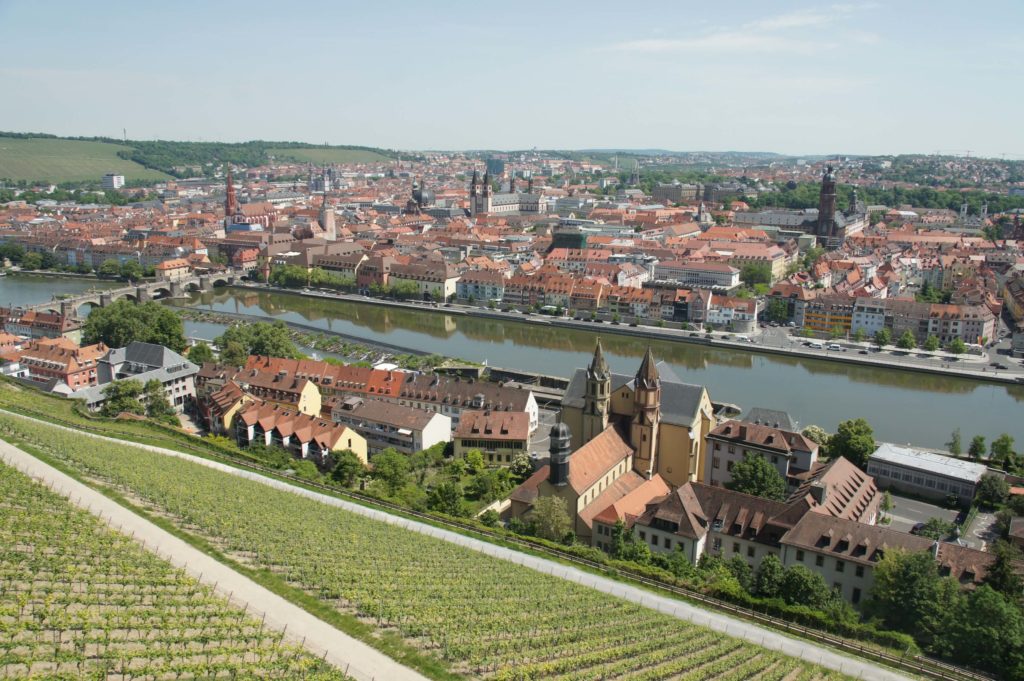
One last place to visit for this long weekend taking the advantage of the Monday bank holiday in the UK, we left Wurzburg for the last, because it’s the largest of the cities (apart of Frankfurt of course, our base). In here you will need definitely much more time to enjoy and sightseeing, on top of the mandatory visit to the key highlights in the city, the UNESCO World Heritage Site listed Residence, and the Marienberg Fortress. Only with these two half of your overall time here will be taken. The rest is among the historic old town filled with countless churches in all architectural styles and beautiful palaces, houses and monument, despite the almost entire destruction of the city during the WWII air raids.

Like the unfortunate fate of countless cities in Germany, WWII took its toll and not only in death, but the mass destruction of everything standing. Wurzburg took only 17 minutes to be razed to the ground by the British. In the good note (for architecture), the city raised from the ashes with a great reconstruction, and it is today an important tourist destination included in many tours through Germany.

Wurzburg and this region of Franconia in Bavaria is one of the most important in wine producing in the country notoriously for dry white. If you have the chance why not to try some with your lunch, restaurants here are generally having a down to earth prices; and as a curiosity, it is home to the oldest pizzeria in Germany, from 1952. However when in Germany, it’s of course best to have nice sausages and fries instead. I cannot imagine any trip to the country and not having at least once a currywurst. Other than this, there is nothing else for now to be said in this brief introduction to the city. (more…)

Share it with the world

Continue ReadingWurzburg – Germany
Read more about the article Heidelberg – Germany
Heidelberg - Germany

Heidelberg – Germany

Share it with the world

Pearl on the Neckar River

Almost 7 years have passed since the first and only time we’ve come here to the beautiful city of Heidelberg, and actually today was quite an unexpected return to be honest. I did not plan in coming here at all, however, because all of the previous cities we’ve been today were so small (Lorsch, Speyer and Maulbronn), and because the days now almost in June were lasting that long, so sunny and great weather, we could still benefit from some more daylight hours and enjoy a brief re-visit and nice dinner in this city, and let our other friends travelling together in this trip see more places.

I take the chance to remake this guide as well, as it was too old and quite short. One of the first ones released when I launched my travel blog live. I will only retain the travel map from the trip back in August 2010, showing another of our usual crazy trips packing as much as possible in a weekend where we came from Dusseldorf, reached Zurich in Switzerland, and stopped along the way for sightseeing Heidelberg which was in turn, the original plan that weekend. Zurich happened our of the blue decided in the go.

The city as small as it is (or might appear at first look), will shock you for the great amount of sights. Literally every building is of historical importance and beauty, not to mention the incredible views you will get from the banks of the river Neckar with the old bridge, city and the castle up in the hill. It is the 5th largest city in the region of Baden Wuttemberg, where Stuttgart is the capital. Not only you will find in Heidelberg this type of architecture, generally stone constructions and timber-framed traditional houses, but in the whole region on every village. Thankfully it was not as heavily destroyed during WWII as other regions and cities on the west of Germany were, meaning you can enjoy a complete Baroque style old town. (more…)

Share it with the world

Continue ReadingHeidelberg – Germany
Read more about the article Maulbronn – Germany
Maulbronn - Germany

Maulbronn – Germany

Share it with the world

Home to the first construction in Gothic style in Germany

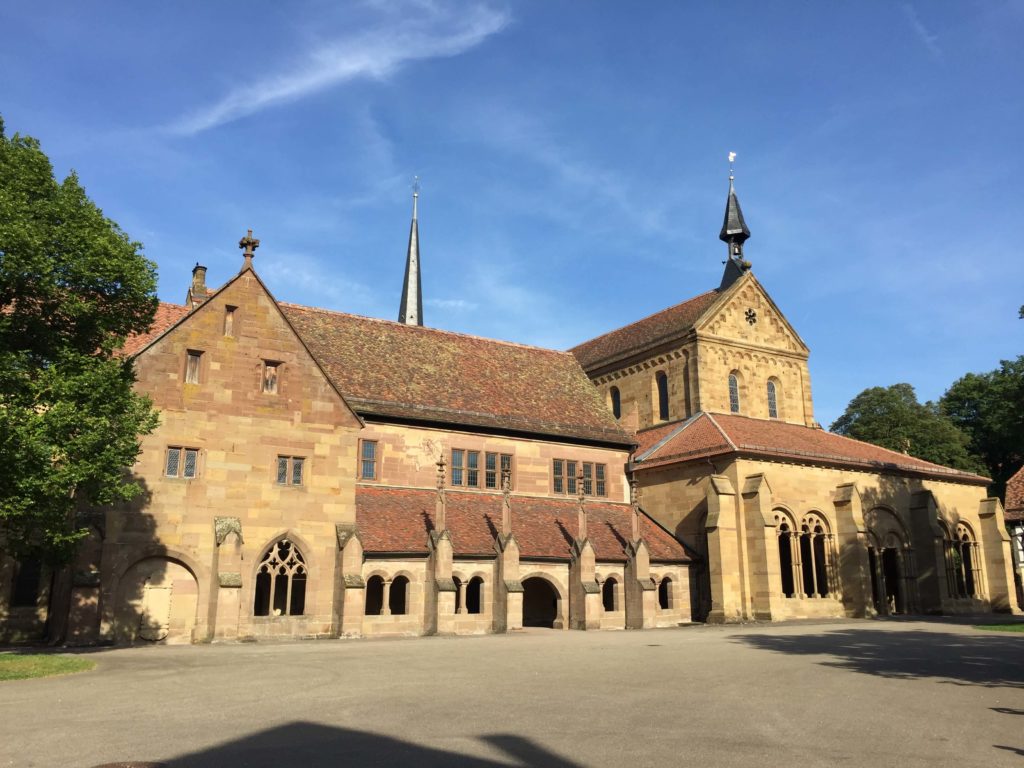
Our last city of the three we’ve planned for today (well, I planned and dragged all the 6 friends of us we travelled together); Maulbronn. But hey! what a great day we’ve spent so far, the best decision for a day trip from our base in Frankfurt to enjoy some of the nicest historic little cities and villages in these regions of Germany so famous for their many timber-framed houses, abbeys, cathedrals, nice food and good company. After all, any of these we’ve visited today are very small and near each other so no need for needing any further time, there is well enough on a same day to see them all, and even more in between.

If back in Lorsch the city was famous for its UNESCO listed Abbey, and then in Speyer, the UNESCO listed cathedral, here in Maulbronn there is also another World Heritage Site listed, the Cistercian monastery. Now as you see this is very clear and there is no any way around that this trip has been planned to visit all of these sites since we are fan number one for being at the most UNESCO World Heritage Sites as possible in the lifetime.

The city is, 70 kilometres southeast from Speyer our previous city we came from, is already in the German state of Baden-Württemberg, just 40 kilometres west of Stuttgart, the regional capital city, and altogether, 150 kilometres directly south from Frankfurt. The road system in Germany, world-wide known for being one of the best, and since speed does not matter when driving (not everywhere but in most of the motorways and sections), then reaching these places is just matter of few minutes drive. That’s another of the pluses that played in our favour saving us lots of time commuting and later returning to Frankfurt, our base. (more…)

Share it with the world

Continue ReadingMaulbronn – Germany
Read more about the article Speyer – Germany
Speyer - Germany

Speyer – Germany

Share it with the world

Roman Noviomagus, Civitas Nemetum

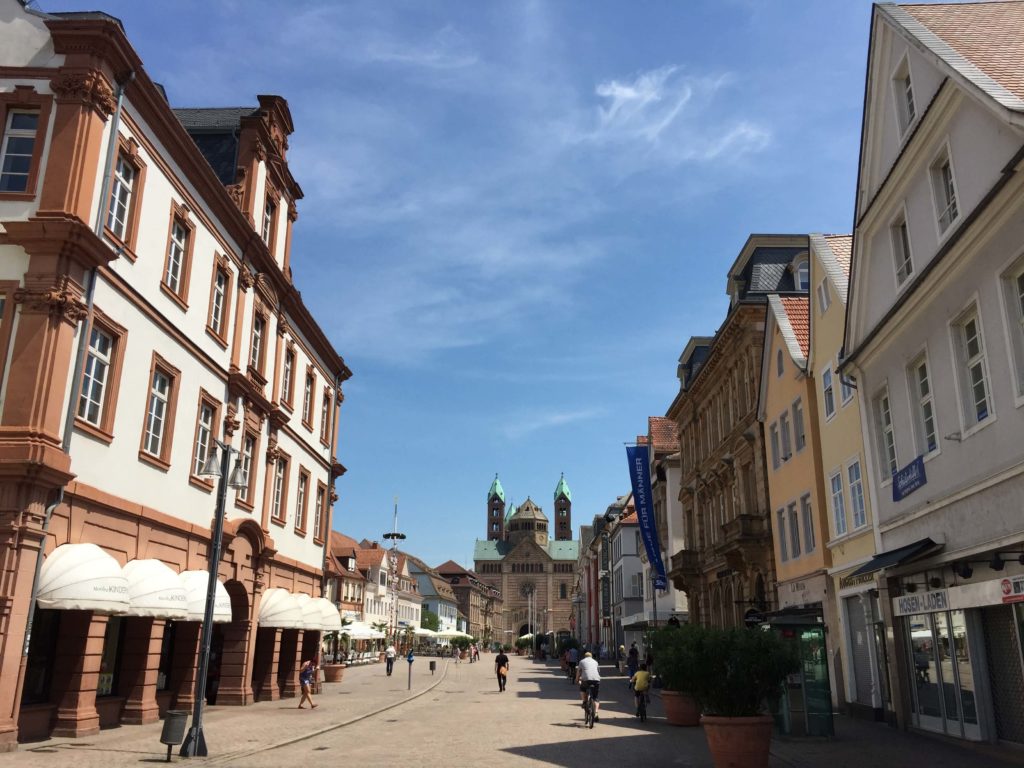
The second city planned for today after visiting the neighbouring city of Lorsch on our day trip where we still have to do as last the city of Maulbronn; its Speyer. Let’s call this lunchtime in Speyer as we came in perfect time for this, and for enjoying the sightseeing on this rather small city. At 30 kilometres from Lorsch, or 100 south of Frankfurt, our base; it is another of the beautiful small cities near the ring of Frankfurt, and another of the many in the region listed a World Heritage Site by UNESCO for its marvellous Cathedral.

The city is within the German state of Rhineland-Palatinate, neighbouring to Hesse which capital is Frankfurt. It is one of the country’s oldest cities, founded by the Roman and it’s like almost any city and village in this part of Germany full of timber-framed houses so traditional and typical. It’s a very charming place to visit, but not for overestimating the time. Few hours is well enough to see everything, and with few I would probably count with no more than 4 including some time for lunch and enjoying a coffee before moving onto the next city.

A region with countless places you can go one after another, it’s a great day out from the larger cities of Frankfurt of Stuttgart if any of these is your base. The best you could do is having a rental car and be free to go as your day goes, or on a defined tour as was our experience on this trip where I wanted to aim for some of the World Heritage Sites we’ve not been before. But other than this, there is not much more needed to say in this brief introduction to the city.

(more…)

Share it with the world

Continue ReadingSpeyer – Germany
Read more about the article Lorsch – Germany
Lorsch - Germany

Lorsch – Germany

Share it with the world

Greatest centre of Carolingian art

Our first city of the few planned on this long weekend taking advantage of the bank holiday in England and therefore coming to this region for 3 full days. At only 60 kilometres south of Frankfurt, our base, Lorsch was just matter of few minutes drive here and starting point for this day to some other cities later on farther south: Speyer and Maulbronn. Because all of them are small, very compact and so easy to visit, it makes a good idea to combine them all together in a same trip, especially if you have your own transportation as a rental car to get there and in between, however it is not mandatory, all three cities are very well connected one to another and to Frankfurt; and of course, with the larger cities of Heidelberg and Mannheim.

Driving there from Frankfurt we did also took the chance for sparing few minutes in Darmstadt to admire one of the greatest constructions from genius architect Friedensreich Regentag Dunkelbunt Hundertwasser, better known as simply Hundertwasser. This is the “Forest Spiral” (Waldspirale). That was a nice addition to the already large collection of his buildings we’ve visited, especially in Vienna, his hometown.

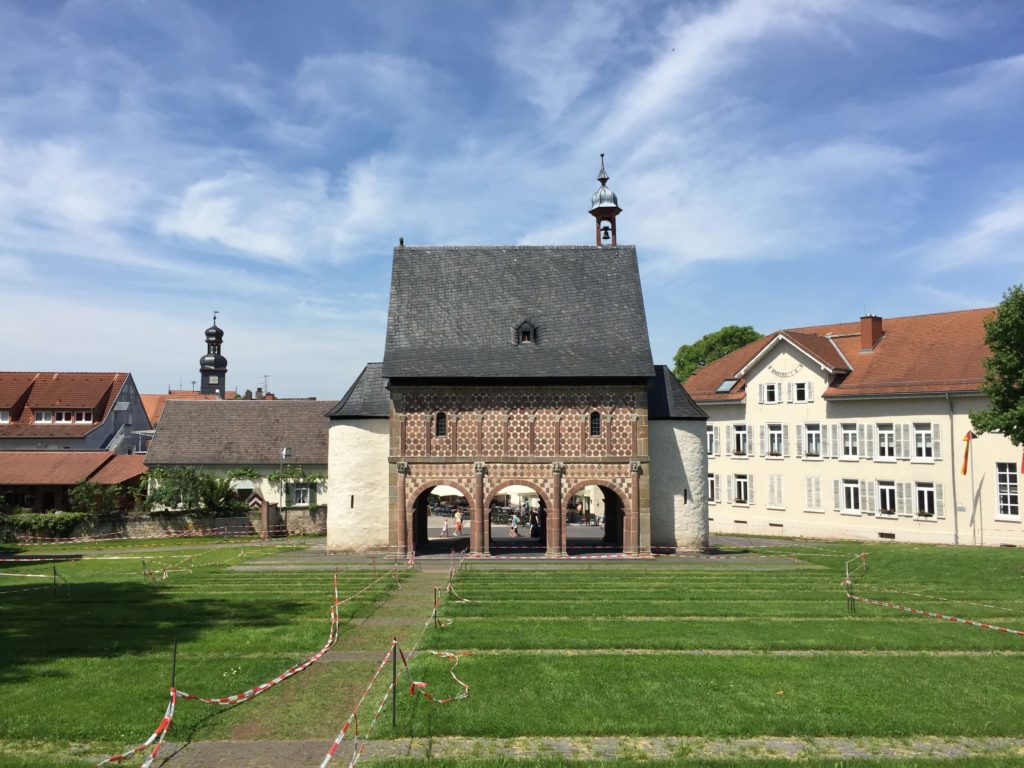
Lorsch importance resumes in its Carolingian Abbey, one of the most important of that era in the country, where most of the Carolingian kings of Germany were buried there. Nowadays lying in ruins bearing the main entrance hall and part of a small chapel, however even with this little remaining, it is listed a World Heritage Site by the UNESCO. The tiny old town is to the west of the Abbey, only few streets centred around the timber-framed building of the old City Hall. It is a nice and relaxed walk through the cobblestone streets, but other than this there is nothing else to do nor see, and not much more of importance to say in this brief introduction to the city. Calculate 2 hours maximum here, and this is overestimating the time. (more…)

Share it with the world

Continue ReadingLorsch – Germany
Read more about the article Frankfurt – Germany
Frankfurt - Germany

Frankfurt – Germany

Share it with the world

Financial Capital

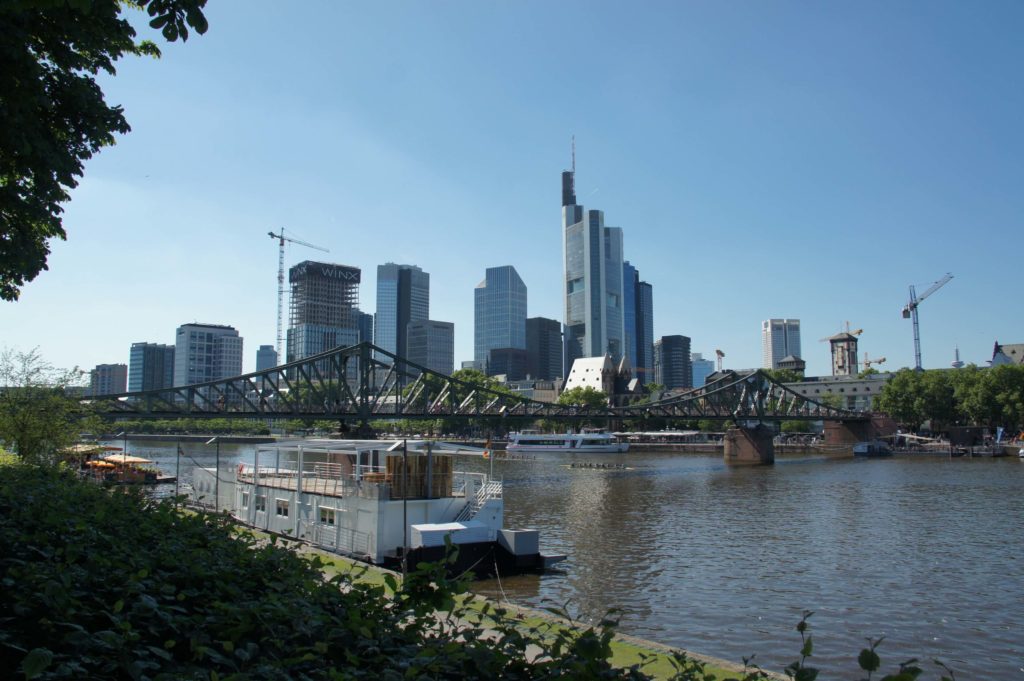
Such a very long time since the only time I’ve been in this city, possibly 8 or 9 years. I’m not going to lie in saying that there is no other reason than preferring always going somewhere else than repeating here. After all Frankfurt is one of the “least” historic cities in Germany due to its almost complete destruction during WWII. Nowadays it is of course important in another sense, one of the strongest and largest financial centres in the world. It does translate in a new sight itself, the modern architecture. The striking skyline of skyscrapers designed by world renown architects, that’s worth to see. Not misjudging here, there are of course many nice places and sights through the city, some of which a great reconstruction of the buildings that once stood such as the Römer (City Hall), noticeable around the central square Römerberg.

Frankfurt was until the beginning of WWII home to the largest timber-framed old town in Europe. It was known worldwide for such constructions and beauty, some of the largest ever built in wood as structure. It is very unfortunate that almost all of it was destroyed during the war, and not because of the bombings, but the fires caused after the explosions did the worst. That’s why we are talking in here about a “newer” city comparing to usual German standards. The German state of Hesse holds, in the other hand, some of the finest timber-framed cities, villages and castle, possibly in the whole of Europe. So while its capital lost such charm, literally next door you are in the “idyllic German region” you can possibly think of when talking about this country. But no “witches” nor candy houses though :).

A day for visiting the city is well enough to enjoy every sight without any rush. The “old town” is small and very compact, and the business and financial centre is surrounding it. While you will see some great towers and squares as you tour the city, you cannot leave Frankfurt before you get the picture-perfect skyline. There are some places to do this, most across the Main River, an unforgettable view with the bridges and skyline in the background. Eiserner Steg, Alte Brücke or Deutschherrnbrücke bridges are the best spot by all means. (more…)

Share it with the world

Continue ReadingFrankfurt – Germany
Translate »